PAPARAZZI UAV BLOG

Research and development of open-source UAV systems since 2003

Uav

19 July 2015 · Piotr Esden-Tempski

Paparazzi UAV Videos 2004-2010

A few days ago ENAC UAV Lab uploaded their Paparazzi UAV video collection from 2004-2010. If you are interested in some Open-Source UAV history you should take a look at them.

https://www.youtube.com/playlist?list=PLD885PC3Hy2DhiL_OEH3qMrcOFEh2McGN

It is exciting to see how many things Paparazzi UAV could already do 5 to 10 years ago, as well as how far things have improved and evolved since then.

One of the highlights is a multi UAV flight at IMAV2006. This is 9 years ago. It is great to see how relaxed the safety pilots are. :)

Read article →

16 July 2015 · Piotr Esden-Tempski

Paparazzi UAV at OSCON 2015

oscon-logoWe will be showing off some of our hardware at the O’Reilly Open Source Convention 2015 (OSCON).  The event is happening on July 20–24, 2015 in Portland, Oregon USA.

Piotr Esden-Tempski from 1BitSquared together with Rich Burton from Hooperfly will be bringing some of their Paparazzi UAV based creations to show off. If you are attending OSCON find us in the exhibition hall for the hardware showcase and say “Hi”. We would love to meet some fellow Paparazzians.

Read article →

1 March 2015 · paparazzi

Paparazzi at the National Center for Meteorological Research

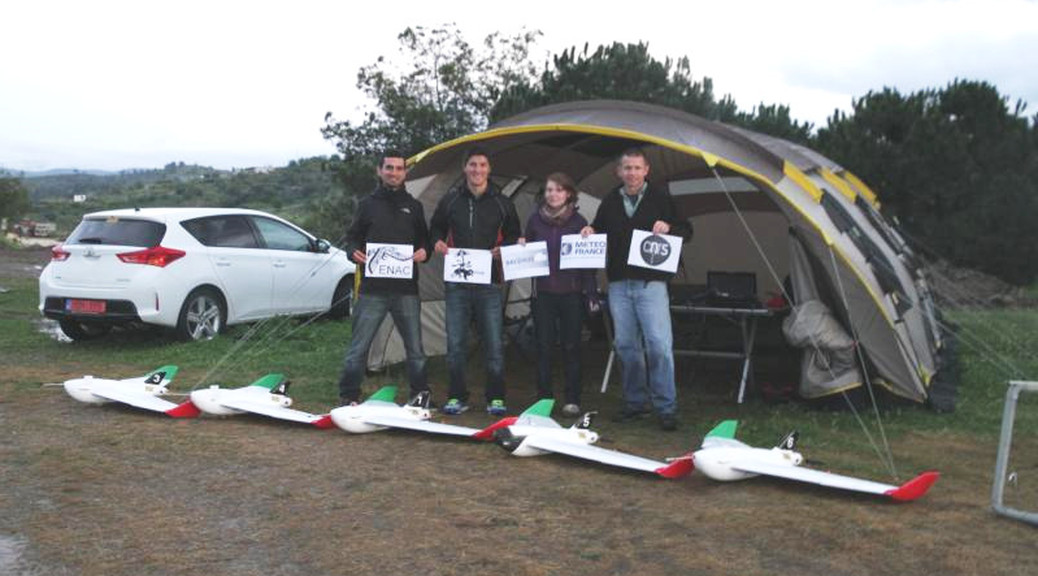
Cyprus_X6_fleetThe National Center for Meteorological Research (CNRM-GAME, Toulouse, France) conducted an airborne experiment in Cyprus in March 2015 as part of the BACCHUS project. The main goal of CNRM’s contribution is to complement the ground-based observations of aerosol and cloud condensation nuclei with airborne measurements to characterize the vertical distribution of aerosol, radiative fluxes, 3D wind vectors and meteorological state parameters. As payloads were limited to 500g (and total weight < 2.5kg), multiple RPAS (remotely piloted aircraft systems) were instrumented for a specific scientific focus. The Paparazzi system was used to navigate the RPAS. During the campaign, airborne measurements were taken over 4 weeks (5 March to 2 April, 2015) with 52 research flights and 38 hours of flight time. Vertical profile were regularly sampled up to 2100 m.asl (limited by authorized flight ceiling) and often observed the layers of dust originating from the Arabian Peninsula and the Sahara Desert. RPAS profiles generally show a well-mixed boundary layer and compare well with ground-based LIDAR observations. Flights below and within clouds were also coordinated with satellite overpasses to perform ’top-down’ closure of cloud micro-physical properties.

Read article →

4 February 2015 · paparazzi

ENAC Flying Paparazzi Aircraft at the Atmospheric Research Center of Lannemezan

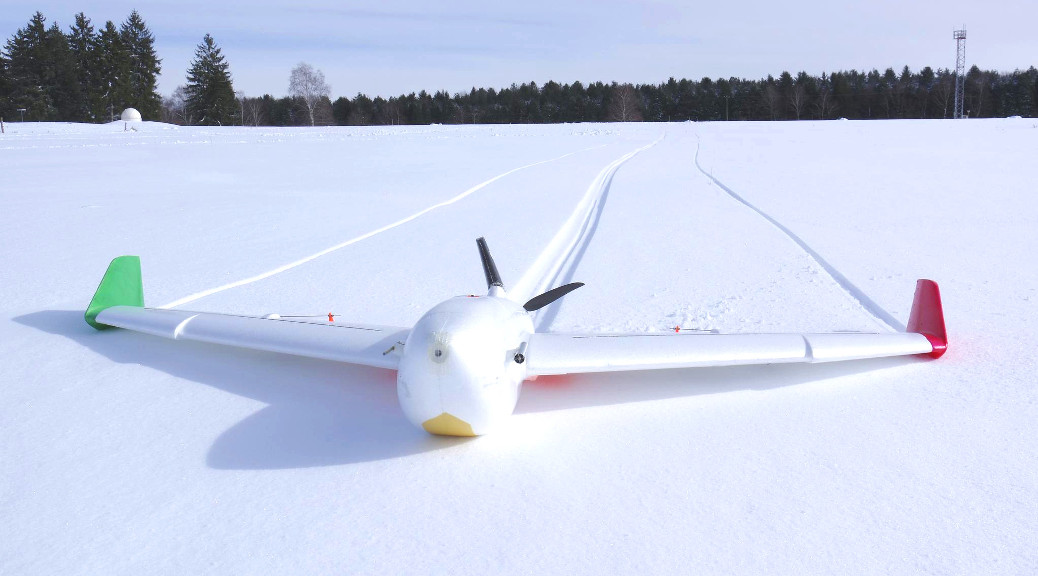
X6_meteo_franceThe ENAC team has been flying several aircraft (X6-Skywalker, Easystar, Funjet) at the Atmospheric Research Center of Lannemezan, close to the Pyrenees in the south of France. The goal was to prepare several meteorological planes for research studies held by Meteo France that will be held next month in Cyprus. Weather conditions were pretty harsh some times, with snow and icy fog, but also provided some really nice pictures, and of course interesting flights up to 1400m AGL with meteorological instruments.

Read article →

12 November 2014 · paparazzi

Parrot Bebop Paparazzi Integration

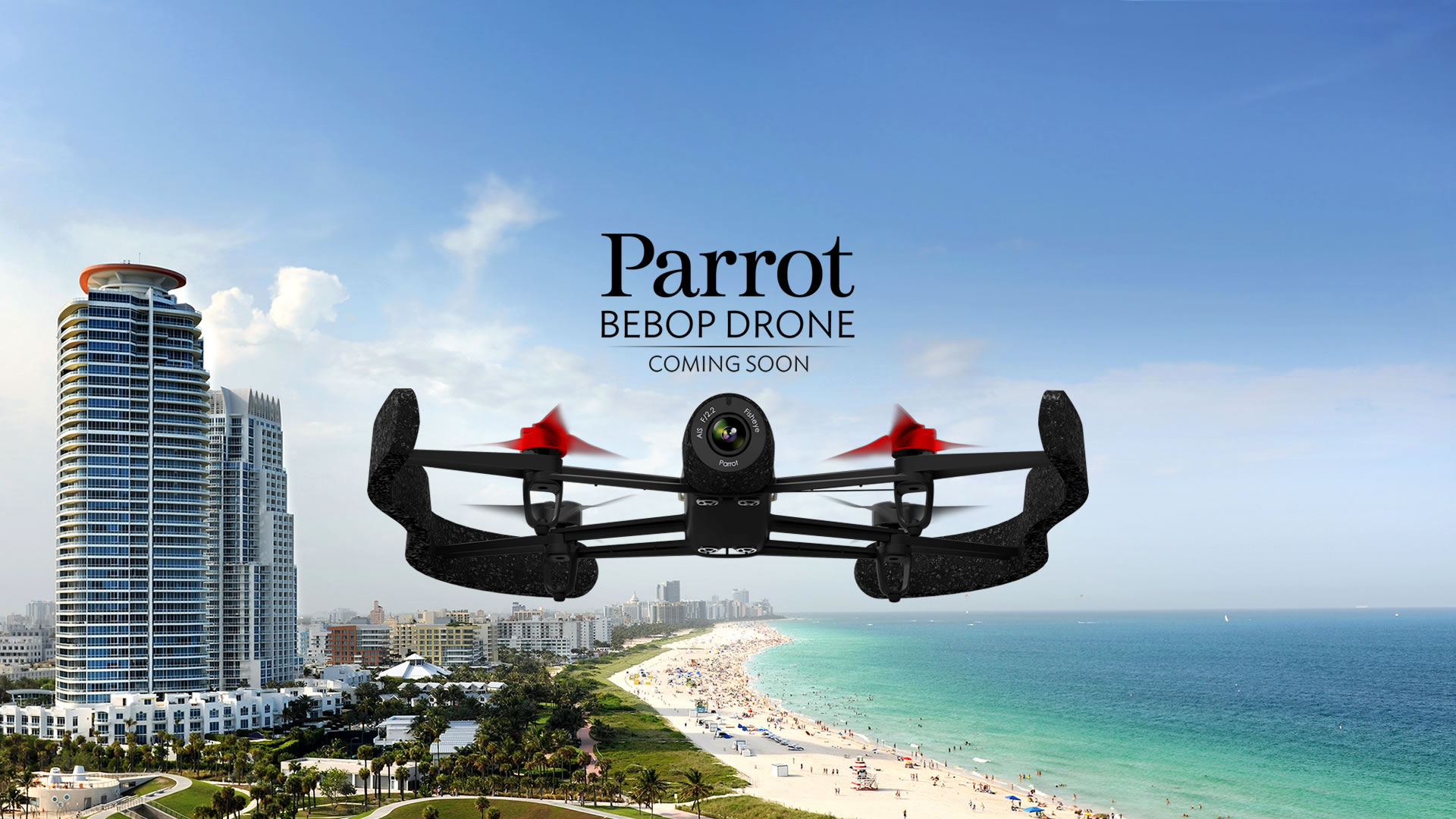
BebopAs you know paparazzi is a very modular platform. To show the world how modular we are, we worked hard on implementing paparazzi into the Parrot Bebop. At the Micro Aerial Vehicle Laboratory (MAVLab) of Delft University of Technology faculty Aerospace engineering (TU Delft) we received a pre-production model of the Bebop. We did our best to have paparazzi integrated before the launch of the Bebop. If you want to follow the progress check our (youtube channel).

Read article →

15 February 2011 · Piotr Esden-Tempski

Paparazzi at Chaos Communication Camp 2011

Hi,

Just to give you guys a heads up. Several of the Paparazzi core developers are planning to go to the Chaos Communication Camp 2011 in Finowfurt (near Berlin) in Germany. The event will last for the 4 days 10|11|12|13|14th August 2011. If you have a chance be sure to visit us there. We plan on releasing some really cool new things at the event. I am sure if you are interested in UAV, Multicopter or Aircraft you will not want to miss this!

Read article →

14 December 2010 · Piotr Esden-Tempski

Lisa/M next generation entry level Paparazzi Autopilot

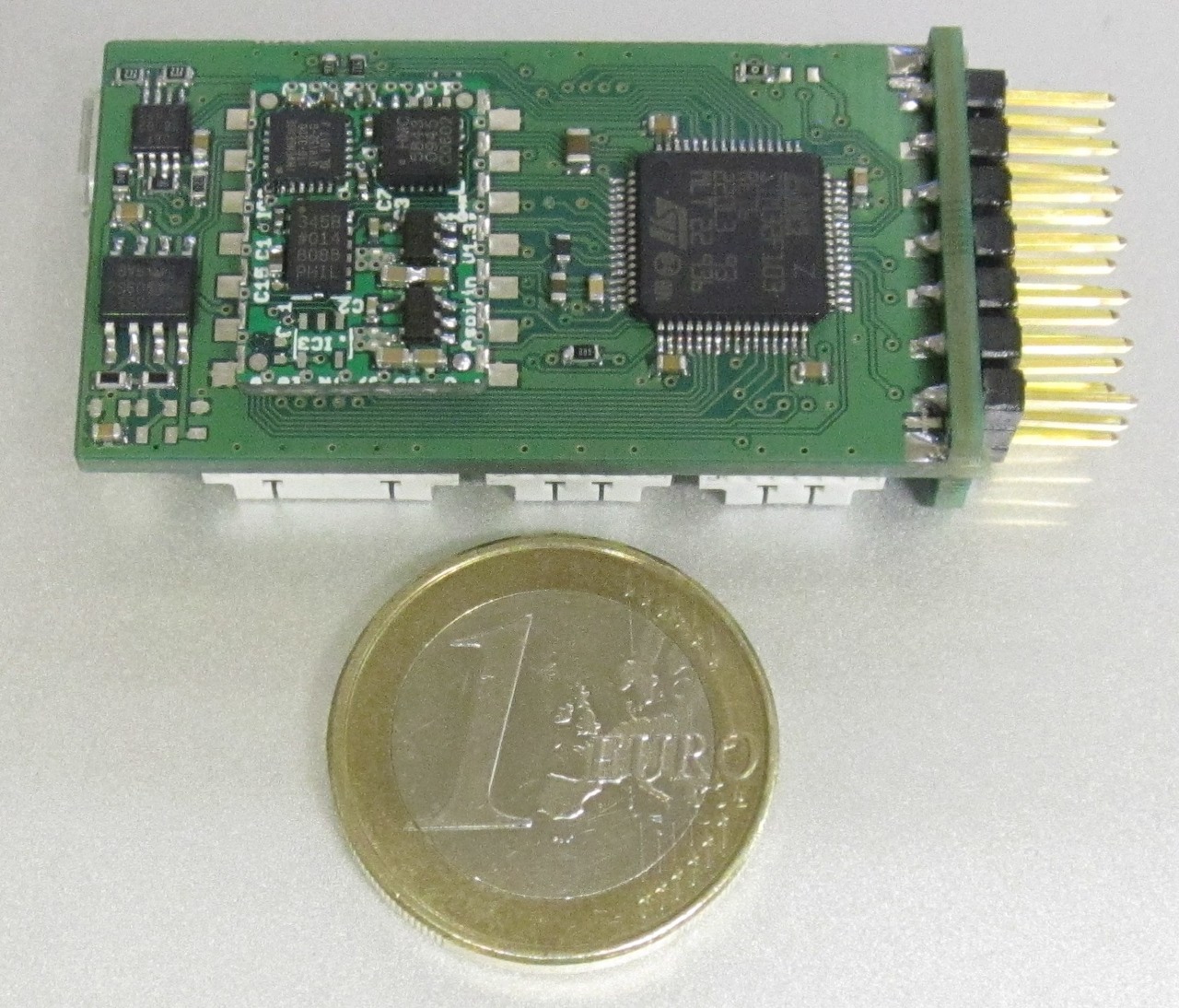
Lisa/M Bottom Lisa/M Bottom

As promised, we want to talk about projects we are currently working on. One of them is Lisa/M.

Lisa/M will be the medium sized Autopilot based on the STM32 Cortex-M3 microcontroller. It is part of the Lisa series of Autopilots. It is very small (50mm x 25mm), about the size of an RC receiver. We want it to be as affordable as possible so that more people can join the autonomous aircraft revolution. The final cost still needs to be determined, as we are not done with the development yet.

Read article →

9 December 2010 · Felix Ruess

Adaptive Control in Paparazzi

Paparazzi features adaptive control loops that can cope with substantial “changes” of the airframe in flight. May it be a motor dropout, partial loss of control surfaces or dropping a heavy payload. As videos usually say more than words, here are two that demonstrate this.

The first video shows Paparazzi’s adaptive control loops (written by Pascal Brisset and Gautier Hattenberger at ENAC) for fixedwing aircraft keeping a Multiplex Twinstar on track, despite dropping a portion of the right wing and aileron and then switching the right motor off.

Read article →

6 December 2010 · Eric Parsonage

Lisa STM32 Paparazzi Autopilot Overview Part 1.

Many Paparazzi followers will be familiar with the popular TINY and TWOG fixed wing autopilot boards that have allowed so many UAV pilots their first taste of autonomous flight. A few will even have had the pleasure of using the Booz multicopter autopilot board. All three of these designs are based on the Phillips LPC2148 microcontroller, which has proven to be a solid performer in this role. Antoine Drouin, the genius behind the Booz board, has once again outdone himself with a completely new series of autopilot boards based on the STM32 ARM Cortex-M3 microcontroller, which has the umbrella name Lisa. The first available is the Lisa/L and it is this board that will be explored in coming articles.

Read article →