PAPARAZZI UAV BLOG

Research and development of open-source UAV systems since 2003

Open-Source

16 July 2015 · Piotr Esden-Tempski

Paparazzi UAV at OSCON 2015

oscon-logoWe will be showing off some of our hardware at the O’Reilly Open Source Convention 2015 (OSCON).  The event is happening on July 20–24, 2015 in Portland, Oregon USA.

Piotr Esden-Tempski from 1BitSquared together with Rich Burton from Hooperfly will be bringing some of their Paparazzi UAV based creations to show off. If you are attending OSCON find us in the exhibition hall for the hardware showcase and say “Hi”. We would love to meet some fellow Paparazzians.
Read article →

14 December 2010 · Piotr Esden-Tempski

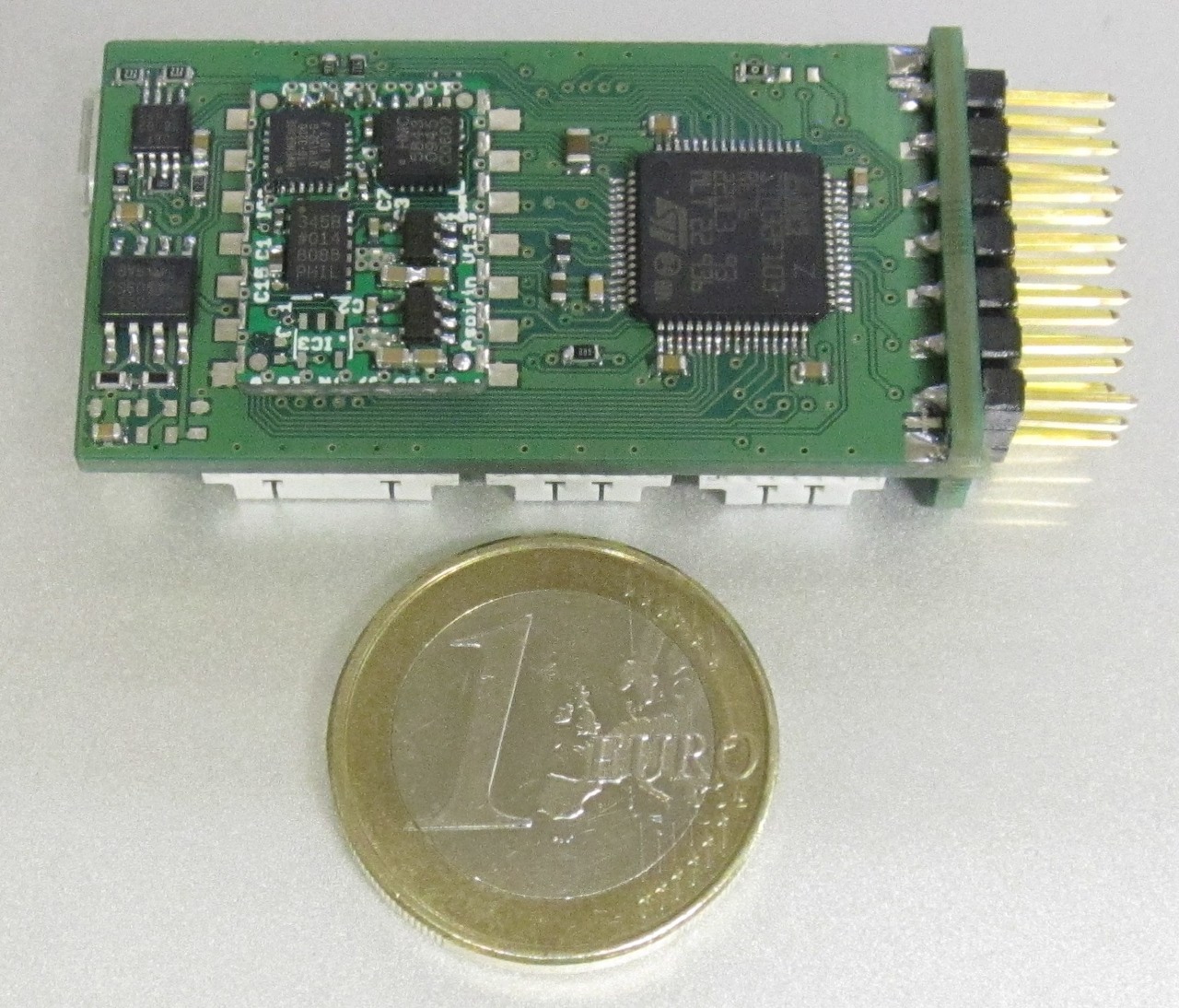
Lisa/M next generation entry level Paparazzi Autopilot

Lisa/M Bottom Lisa/M Bottom

As promised, we want to talk about projects we are currently working on. One of them is Lisa/M.

Lisa/M will be the medium sized Autopilot based on the STM32 Cortex-M3 microcontroller. It is part of the Lisa series of Autopilots. It is very small (50mm x 25mm), about the size of an RC receiver. We want it to be as affordable as possible so that more people can join the autonomous aircraft revolution. The final cost still needs to be determined, as we are not done with the development yet.

Read article →

6 December 2010 · Eric Parsonage

Lisa STM32 Paparazzi Autopilot Overview Part 1.

Many Paparazzi followers will be familiar with the popular TINY and TWOG fixed wing autopilot boards that have allowed so many UAV pilots their first taste of autonomous flight. A few will even have had the pleasure of using the Booz multicopter autopilot board. All three of these designs are based on the Phillips LPC2148 microcontroller, which has proven to be a solid performer in this role. Antoine Drouin, the genius behind the Booz board, has once again outdone himself with a completely new series of autopilot boards based on the STM32 ARM Cortex-M3 microcontroller, which has the umbrella name Lisa. The first available is the Lisa/L and it is this board that will be explored in coming articles.

Read article →