Lisa/S Pre-Order
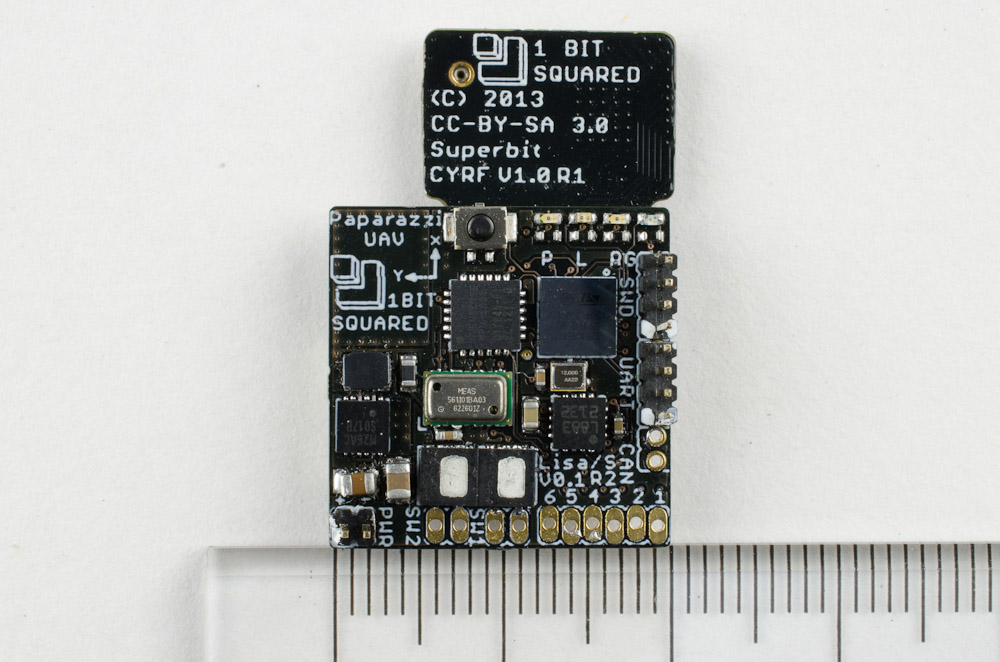 Due to popular demand, Lisa/S and SuperbitRF are available for early pre-order from 1 BIT SQUARED.
Research and development of open-source UAV systems since 2003
Due to popular demand, Lisa/S and SuperbitRF are available for early pre-order from 1 BIT SQUARED.
Our friends at the TU-Delft MAVLab have made a video showing Lisa/S flying on a Quadrocopter and Helicopter. In the video you can see the Paparazzi UAV software compiled for Lisa/S stabilize and control the aircraft. It is using the SuperbitRF module to receive control commands from a Spektrum RC transmitter. All the necessary software is integrated into the master software branch of Paparazzi.
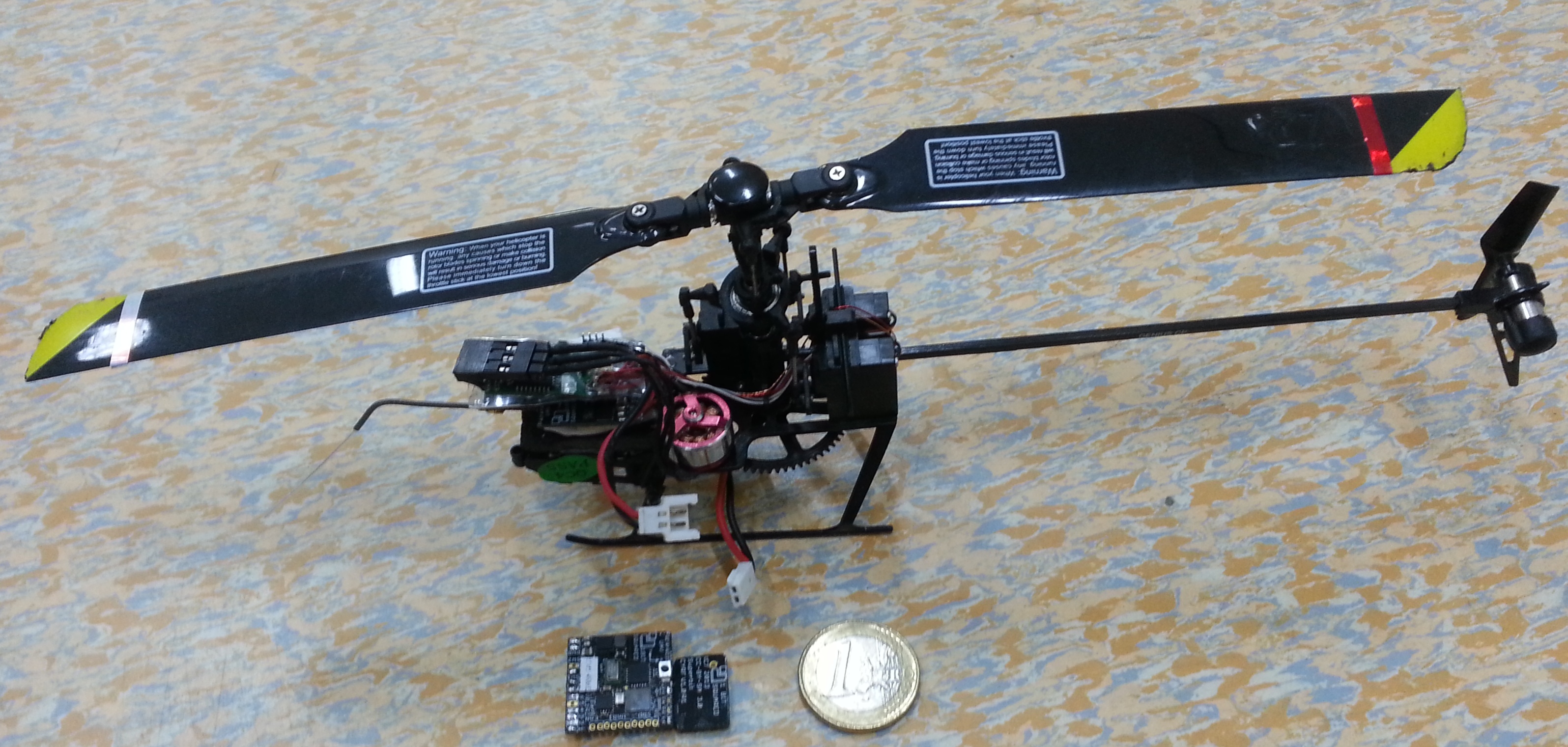 TU Delft researchers in collaboration with 1BitSquared have designed and build the world’s smallest autopilot for micro aircraft.
Researcher Bart Remes and his team of the Micro Aerial Vehicle Laboratory at the TU Delft faculty of Aerospace Engineering in a collaboration with Piotr Esden-Tempski from 1BitSquared have designed, built and tested the world’s smallest open source autopilot for small unmanned aircraft. A smaller – and lighter – autopilot allows these small flying robots to fly longer, fit into narrower spaces or carry more payloads, such as cameras. That makes them more suitable to be used in rescue operations for example. Remes: “Our aim? Make MAVs so small and light that every fireman can fit one in his pocket.”
Lisa/S nano autopilot V0.1 PCB Layout video - 6 months of work in 3 minutes.
Designing new hardware takes time. Laying out a board is only part of the challenge. A lot of work goes into research about the parts and circuits to use. In the following video you can see how the whole engineering effort concludes into the final design of the board. Even though the time lapse shows only 7 hours and 48 minutes of layout work, it was spread over 6 months of engineering effort.
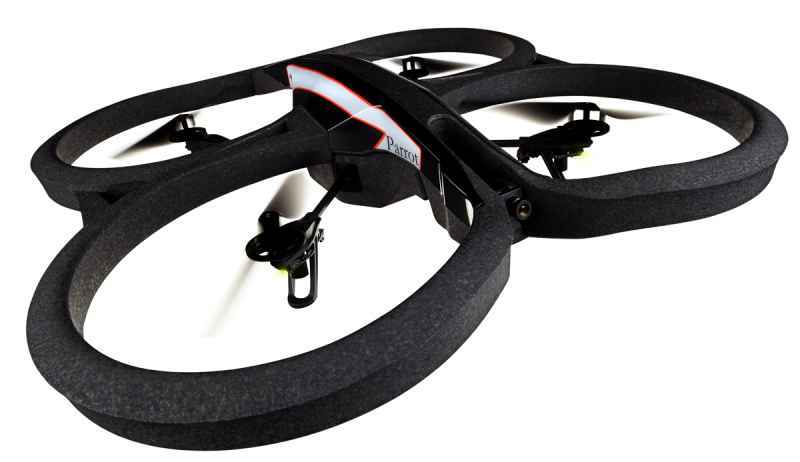 At the TU Delft university of technology student teams made the impossible; possible. Now you can turn your AR Drone v2 into an autonomous drone, controlled by Paparazzi autopilotsoftware. It’s simple, Insert GPS receiver into USB port, build and upload your flight plan via WiFi, and you are done! No hardware modification needed.
 ATMOS, a hybrid airplane-quadrotor developed at the MavLab of TU-Delft, was awarded third place (out of 140) in the UAVForge Competition. There were more than 140 initial contestants and after several selection rounds with only 12 finalists, the paparazzi Lisa/M powered ATMOS was one of the few that could actually make it to the remote target site miles away in an RF unfriendly environment. No team fully completed the baseline objectives which is why no prices were issued. The vertical takeoff and landing, together with long range thanks to the wing and flexibility thanks to open-source paparazzi were key factors in this event [1].
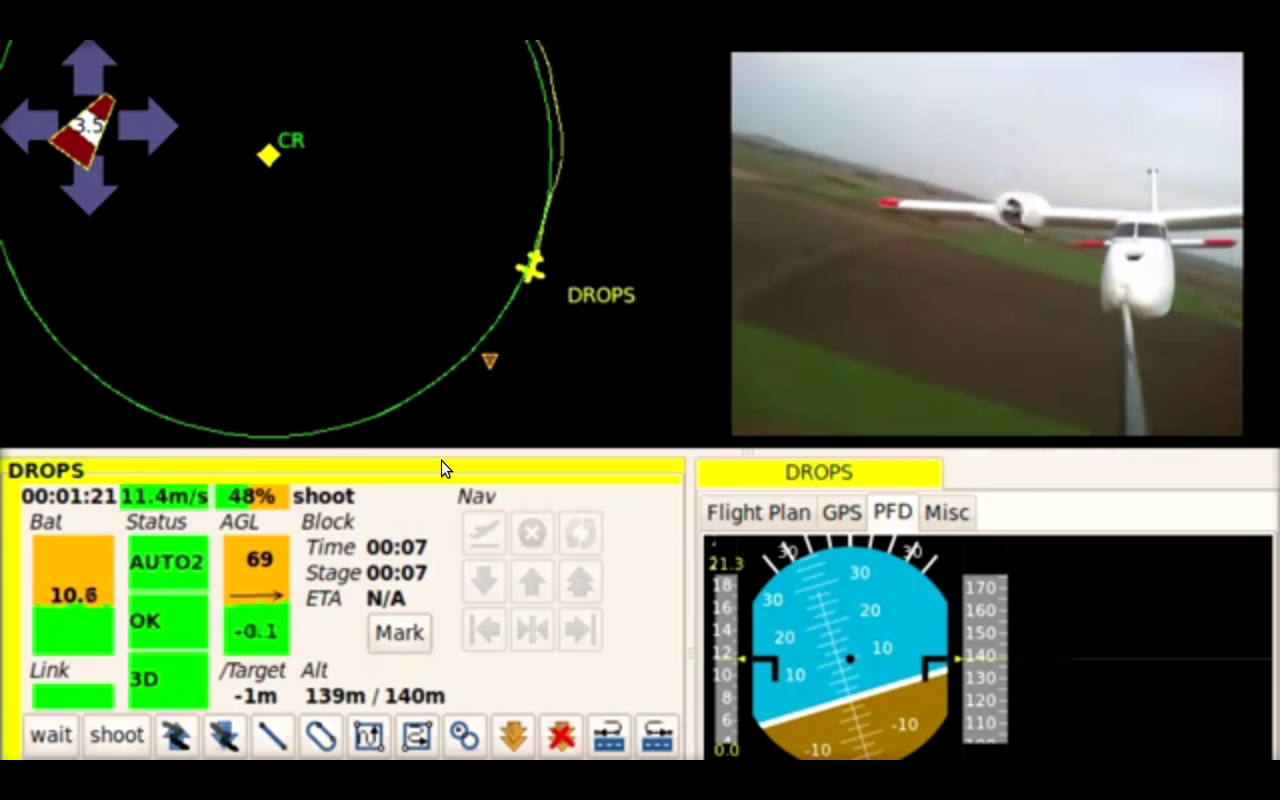 A lot of cool stuff is done with paparazzi driven UAV`s. To share what the paparazzi community is doing a youtube video playlist has been created. If you want your video to be listed in there please send a YouTube link to the mailing list.
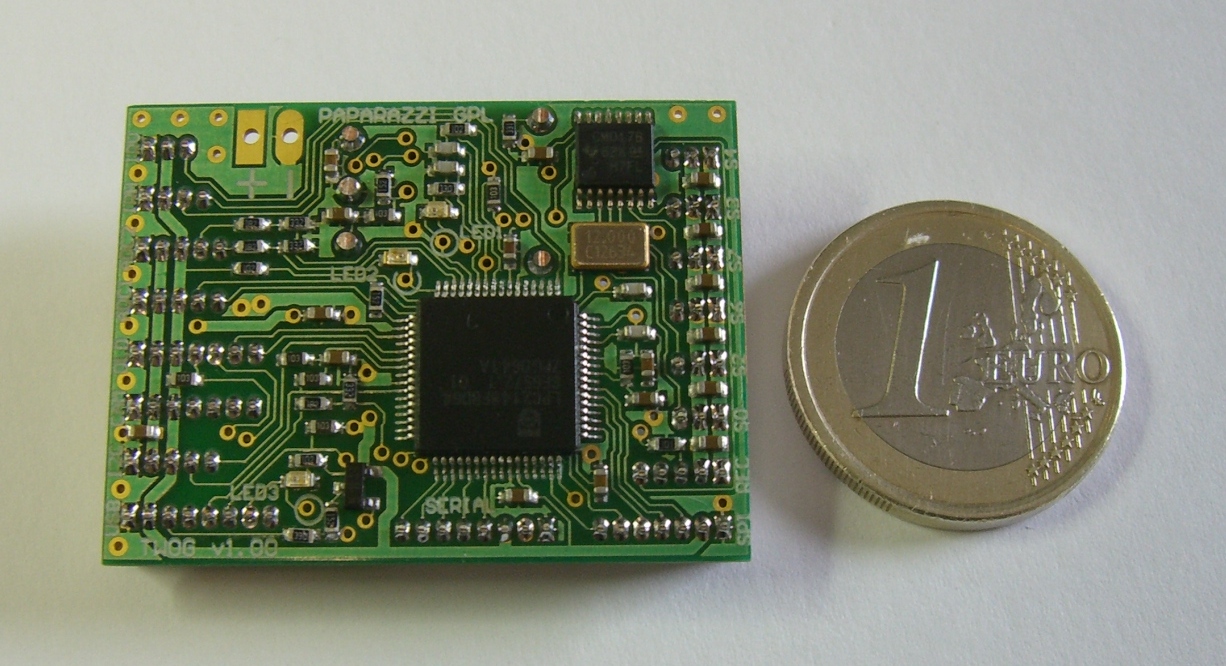 ENAC Team Umarim V1.0 autopilot is now released: LPC based, on-board IMU & barometer, narrow fuselage form factor (56x25mm) and lightweight (9gr) are its main features. Add your favorite GPS receiver and it will fit in your thin light UAV prototype. But it will also do the job for a bigger UAV as well. More info here…
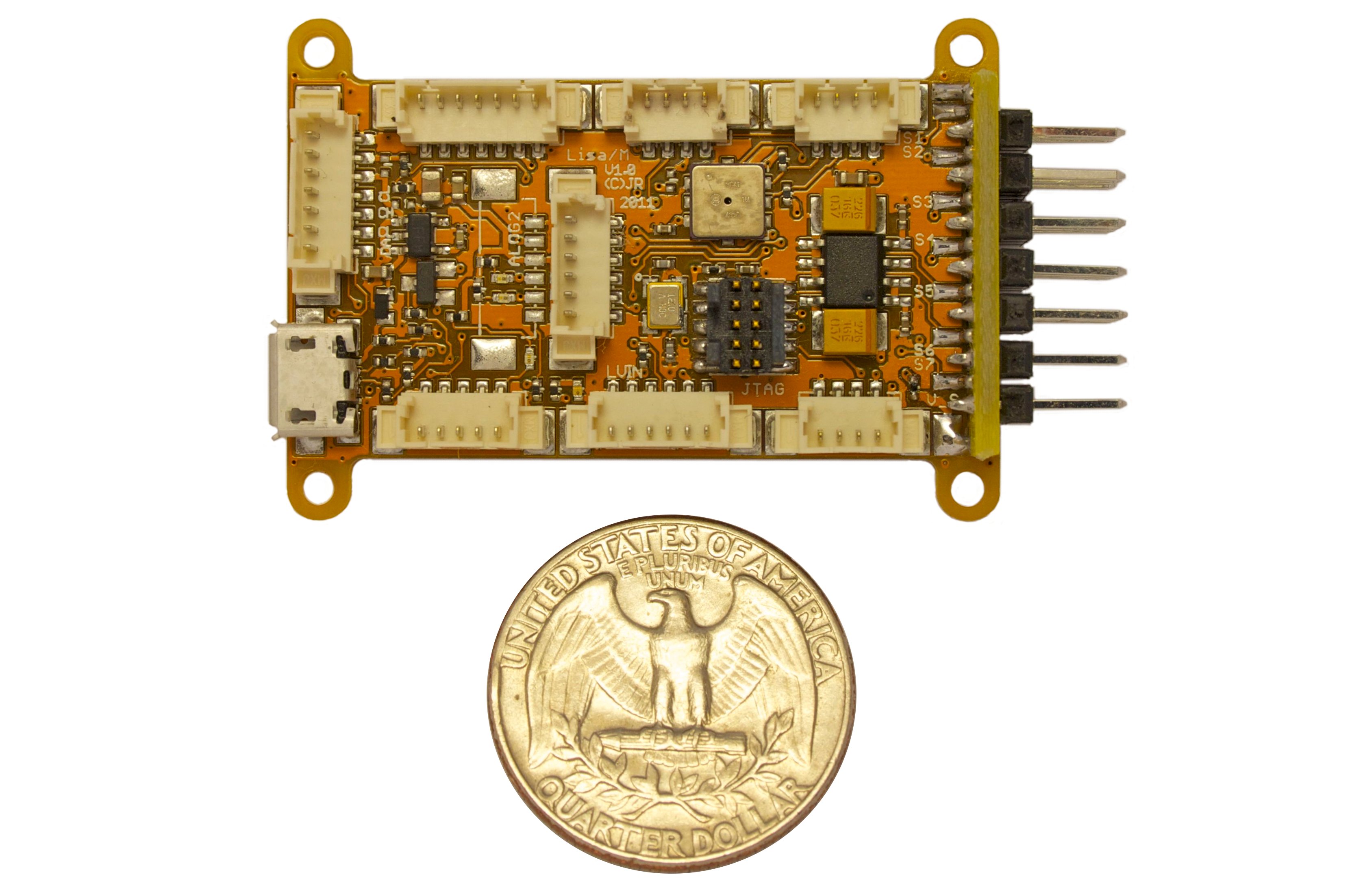 Hello everyone,
After many months of hard work we have finally reached a version of Lisa/M that is ready for a wider range of developers. Although there are still some things missing that would allow a beginning user to use it with ease, we decided it is better to provide it to all of the other brilliant non core developers and users. You can find out more about it in the Paparazzi Wiki. A big thanks go to OpenUAS for his great help with the documentation.
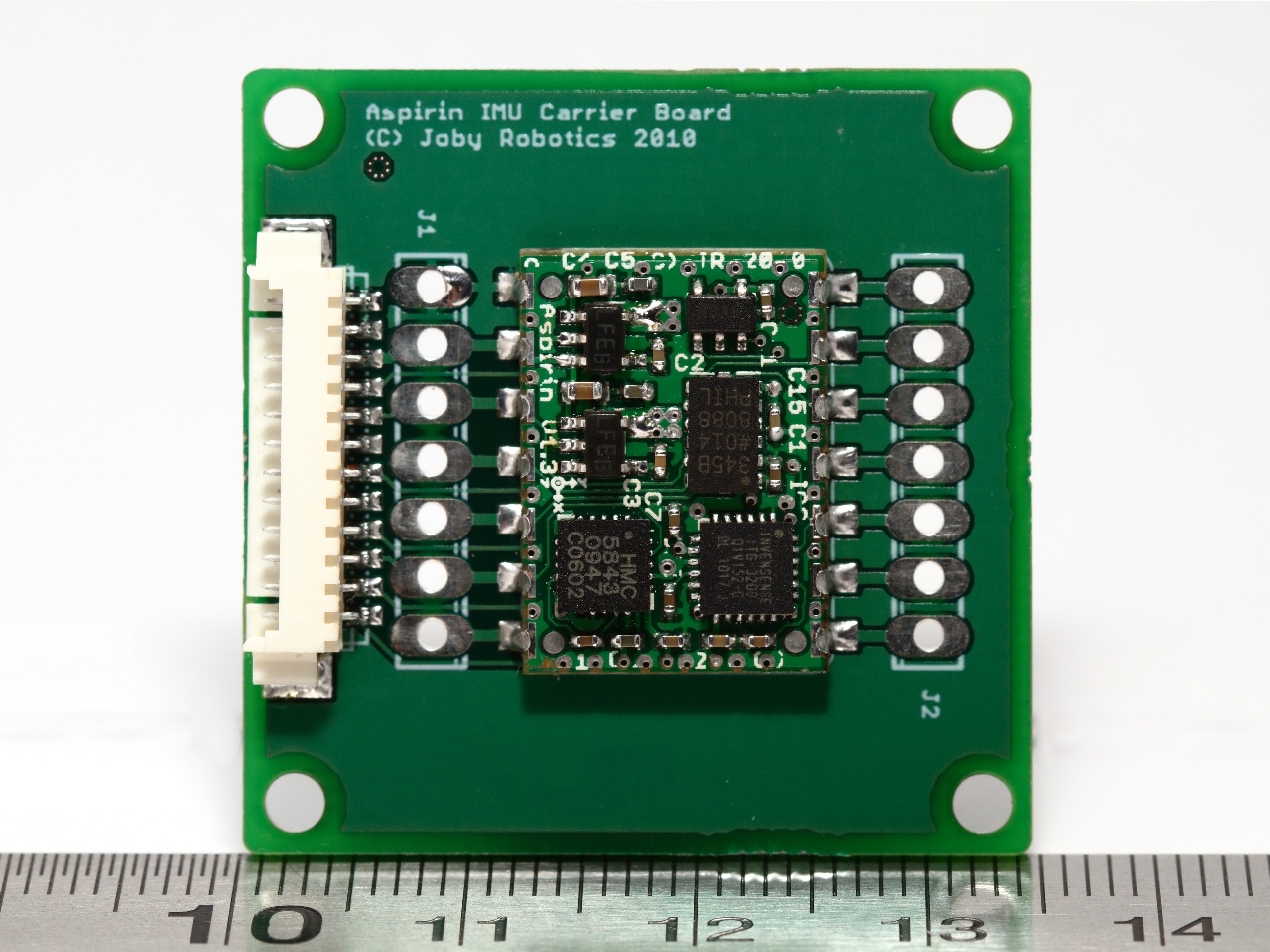 Today we are pleased to announce the public release of our next generation IMU, Aspirin! After a lengthy research, development, and testing period we are now happy with the hardware and the software drivers for this unique IMU. It is incredibly small and light, three digital sensors packed onto a single 19x14mm PCB. The footprint allows you to integrate it into your own designs too. We are also making it available via a carrier board for drop in use on Lisa/L.